
White Cement vs Wall Putty: Which One Does Your Wall Really Need?
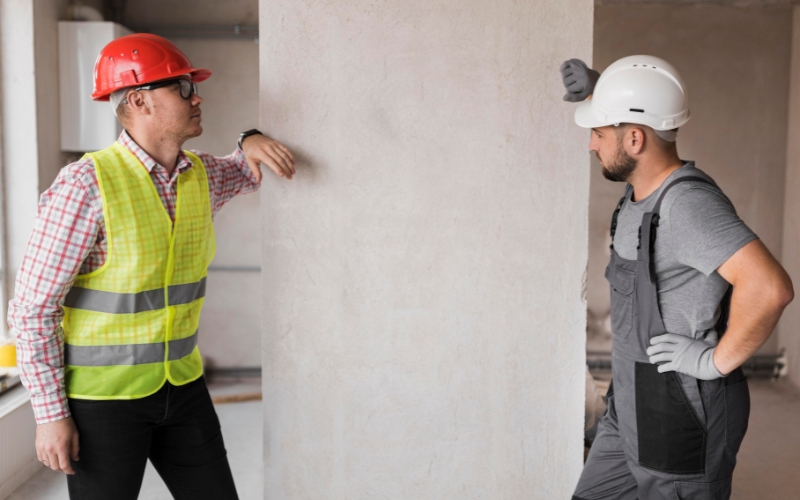
When preparing walls for painting or repairing damaged surfaces, choosing the right material is essential. Many homeowners, contractors, and painters often get confused between white cement and wall putty. Both materials are commonly used during wall preparation, but they serve different purposes.
Understanding the difference between these materials can help you achieve smooth, durable, and long-lasting wall finishes. High-quality products from reliable white cement manufacturers and trusted white cement suppliers play a crucial role in ensuring strong and well-prepared walls before painting.This guide explains the difference between white cement and wall putty, their uses, and when each material should be applied.
What is White Cement?
Is White Cement the Same as Wall Putty?
White Cement
- Used for repairing cracks and damaged areas
- Helps level uneven wall surfaces
- Provides strong bonding and structural support
Wall Putty
- Used as a finishing layer before painting
- Smoothens minor imperfections on the wall surface
- Enhances paint adhesion and improves finish quality
White Cement vs Wall Putty: Key Differences
Understanding the differences between white cement and wall putty can help you select the right material for your project.
Feature | White Cement | Wall Putty |
Primary Purpose | Used for repairs and levelling surfaces | Used for smoothing surfaces before painting |
Application Stage | Applied during repair or base preparation | Applied after base preparation and before primer |
Surface Finish | Suitable for structural repair and base work | Provides a smooth finish for paint |
Durability | Strengthens the wall structure | Improves paint durability |
Flexibility | Hardens quickly and becomes rigid | Easier to apply and sand |
When to Use White Cement
For Wall Repairs
For Surface Levelling
For Damp or Exterior Surfaces
When to Use Wall Putty Before Painting
Smooth Surface Preparation
Better Paint Adhesion
Improved Paint Durability
Which Is Better: White Cement or Wall Putty?
Many people ask which material is better between white cement and wall putty. The answer depends on the stage of your wall preparation.
- White cement is best for repairing cracks, fixing damaged surfaces, and levelling walls.
- Wall putty is used as the final finishing layer before painting to create a smooth and flawless surface.
For the best results, experts recommend using both materials in the following sequence:
White Cement → Wall Putty → Primer → Paint
This process ensures strong, smooth, and durable walls that enhance the overall appearance of the paint finish.
Why Choose Chetak Minerals for White Cement?
Chetak Minerals is a trusted name in construction materials, providing high-quality solutions for building and renovation projects. As one of the reliable sources for construction products, the company works with a wide network of white cement dealers, suppliers, and distributors.
Our products are designed to provide:
- Strong bonding and durability
- Smooth finishing for wall preparation
- Consistent quality for construction applications
- Reliable availability through white cement distributors
Choosing quality products from experienced white cement manufacturers ensures better results for your construction and renovation projects.
Conclusion
Both white cement and wall putty play important roles in preparing walls for painting. While white cement is used for repairing and levelling surfaces, wall putty is applied to create a smooth and flawless base for paint.
By understanding when to use each material and selecting products from trusted white cement manufacturers, white cement suppliers, white cement dealers, and white cement distributors, you can achieve strong, durable, and perfectly finished walls.
Frequently Asked Questions
Yes, wall putty can be applied to cement plastered surfaces and concrete walls after proper surface preparation.
White cement offers some moisture resistance but is not fully waterproof. Additional waterproofing solutions may be required in damp areas.
Yes, using both materials is recommended. White cement repairs and levels the wall, while wall putty provides a smooth surface for painting.
Usually, two coats of wall putty are applied before painting to achieve a smooth and uniform surface.
It is not recommended to paint directly on white cement. Applying wall putty and primer ensures better paint adhesion and durability.