
Best Wall Putty for Exterior Walls: Complete Buying Guide
Introduction
Exterior walls are constantly exposed to harsh environmental conditions such as sunlight, rain, humidity, dust, pollution, and temperature changes. Over time, these conditions can damage wall surfaces, reduce paint life, and create problems like cracks, peeling, dampness, and uneven finishing.
Choosing the best wall putty for exterior walls is extremely important for long-lasting protection and smooth decorative finishing.
What is Exterior Wall Putty?
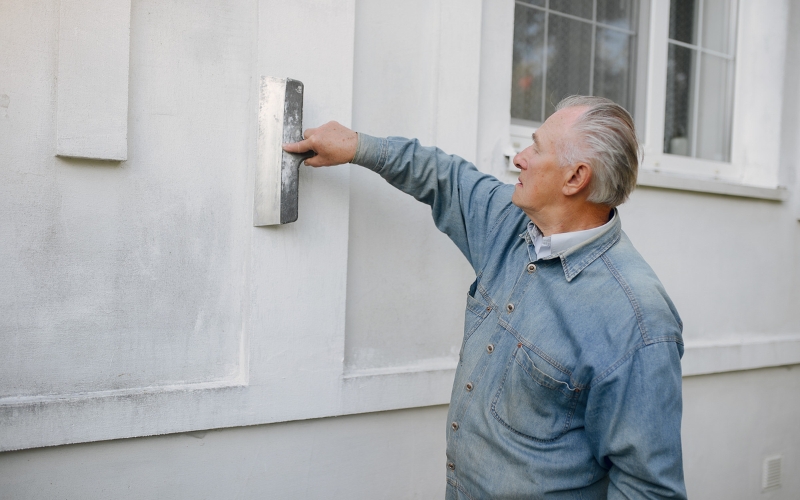
Exterior wall putty is a specially formulated wall finishing material applied to outer walls before painting. It helps smooth rough plaster surfaces, fill pores and minor cracks, and prepare walls for long-lasting exterior paint applications.
- White cement based
- Water resistant
- Strong in adhesion
- Durable against weather conditions
- Suitable for exterior wall preparation
Why Exterior Walls Need Special Wall Putty
Exterior walls face tougher conditions compared to interiors. Using premium exterior wall putty helps:
- Protect walls from moisture damage
- Improve paint durability
- Prevent minor cracks
- Reduce paint peeling and flaking
- Increase surface smoothness
- Improve overall building appearance
Which Wall Putty is Best for Exterior Walls?
White Cement Based Wall Putty: Offers strong bonding, better moisture resistance, durability, smooth finish, crack resistance, and compatibility with exterior paints. Commonly used in:
- Residential buildings
- Commercial complexes
- Offices and malls
- Hotels and hospitals
- Industrial projects
- Infrastructure construction
Important Features to Look for in Exterior Wall Putty
- Water Resistance
- Strong Adhesion
- Crack Resistance
- Smooth Finish
- Weather Durability
- Paint Compatibility
Benefits of Using Exterior Wall Putty
- Improved Paint Life
- Better Surface Smoothness
- Moisture Protection
- Reduced Paint Consumption
- Stronger Wall Surface
- Better Decorative Appearance
Common Problems Without Exterior Wall Putty
- Uneven paint finish
- Paint peeling
- Surface cracks
- Moisture penetration
- Dampness issues
- Reduced paint durability
- Higher maintenance costs
Exterior Wall Putty Application Process
- Surface Cleaning
- Crack Repair
- Prepare Putty Mixture
- Apply First Coat
- Allow Drying
- Apply Second Coat
- Sanding & Primer Application
Tips for Better Exterior Wall Finishing
- Always use quality white cement putty
- Avoid excessive putty thickness
- Apply to dry and clean surfaces
- Allow proper drying time
- Use exterior primer after putty
- Choose weather-resistant exterior paints
Difference Between Interior & Exterior Wall Putty
| Feature | Interior Putty | Exterior Putty |
|---|---|---|
| Moisture Resistance | Moderate | Higher |
| Weather Protection | Limited | Strong |
| Durability | Interior use | Exterior use |
| Surface Strength | Standard | Higher |
| Paint Compatibility | Interior paints | Exterior paints |
Why White Cement-Based Putty is Preferred
- Stronger adhesion
- Smooth finish
- Improved wall durability
- Moisture resistance
- Works well with exterior paints
- Increases paint life
Why Choose Quality Wall Putty Products?
- Better paint finish
- Improved wall protection
- Long-lasting durability
- Reduced maintenance costs
- Smooth decorative appearance
- Professional construction finishing results
Conclusion
Choosing the best wall putty for exterior walls is essential for durable protection, smooth finishing, and long-lasting paint performance. White cement-based putty provides strong adhesion, moisture resistance, crack resistance, and weather durability.
Proper wall preparation using quality exterior wall putty improves decorative appearance and protects buildings from environmental damage, ensuring professional and durable construction finishing results.