
What Is Wall Putty and How to Use It to Beautify Your Home Walls
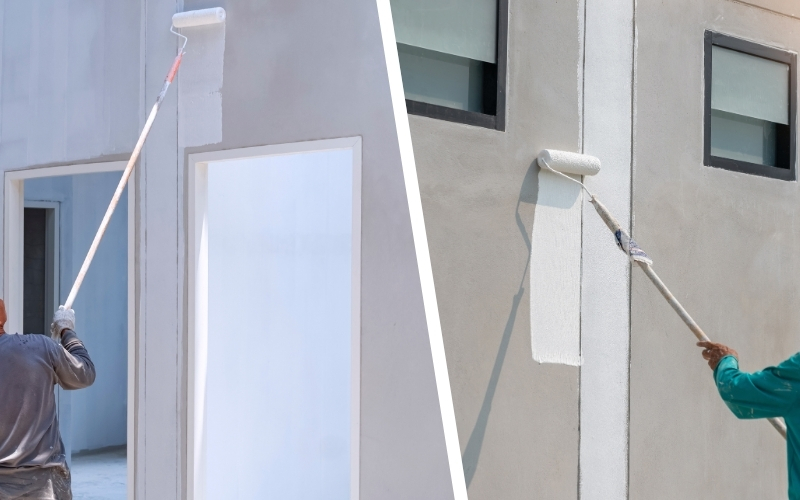
What Is Wall Putty?
- Concrete walls
- Plastered walls
- Precast walls
- Cement surfaces
- Aerated lightweight blocks
Types of Wall Putty
1. White Cement Wall Putty
- Strong bonding with the wall surface
- Smooth and bright finish
- Precast walls
- Cement surfaces
- Aerated lightweight blocks
2. Acrylic Wall Putty
- Ready-to-use formula
- Smooth surface finish
- Ideal for interior surfaces
- Good crack-filling ability
How to Apply Wall Putty
- 1. Surface Preparation
- 2. Mixing
- 3. First Coat
- 4. Second Coat
- 5. Sanding
Benefits of Using Wall Putty Before Painting
Smooth Surface Finish
Improves Paint Durability
Crack Resistance
Moisture Protection
Reduces Paint Consumption
Enhances Wall Strength
Tips for Perfect Wall Putty Application
- Always apply putty to a clean and dry surface
- Mix the putty according to the manufacturer's instructions
- Apply two coats for better smoothness
- Allow proper drying time between coats
- Sand the surface lightly before painting
Why Choose Chetak Minerals for Wall Putty?
- Excellent adhesion and smooth finish
- Strong resistance to cracks and moisture
- Enhanced durability for interior and exterior walls
- Improved paint performance and long-lasting results
Conclusion
Wall putty is an essential step in achieving strong, smooth, and beautiful walls. It enhances paint performance, increases durability, and ensures a flawless finish for your home or commercial space. Choosing high-quality products from reliable wall putty manufacturers, wall putty suppliers, wall putty distributors, and wall putty dealers ensures long-lasting wall protection and superior aesthetic appeal.
Frequently Asked Questions:
High-quality wall putty can last for many years when applied correctly. In most cases, wall putty can maintain its performance for up to 8–10 years, depending on environmental conditions and the type of paint used.
Most cement-based wall putty products offer moisture resistance, which helps protect walls from dampness and minor water exposure. However, complete waterproofing may require additional waterproofing solutions.
Wall putty is used to smooth wall surfaces, fill cracks and holes, improve paint adhesion, and create a strong base for painting.
Yes, applying wall putty before painting is recommended. It helps create a smooth surface, enhances paint durability, and improves the overall appearance of the wall.
Plaster is used to level large wall surfaces during construction, while wall putty is applied after plastering to create a smooth finishing layer before painting.